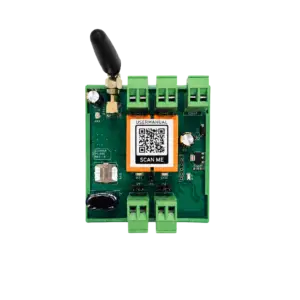
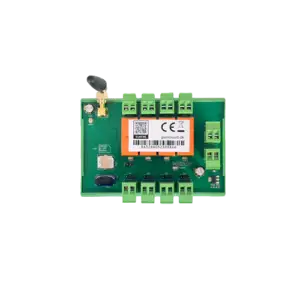
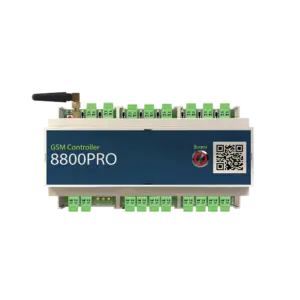
What is IoT? IoT (Internet of Things) is technology where physical devices are connected to the internet and can send and receive data automatically.
In industry, it's called IIoT (Industrial Internet of Things) and is used to monitor, control and optimise operations in real-time.
IoT means that physical devices such as sensors, machines and meters are connected to the internet and can send data automatically. The data is used to monitor operations, analyse performance and respond to incidents in real time.
In industry, it's called IIoT (Industrial Internet of Things) and is used to optimise production, reduce energy consumption and prevent breakdowns through data-driven insights.
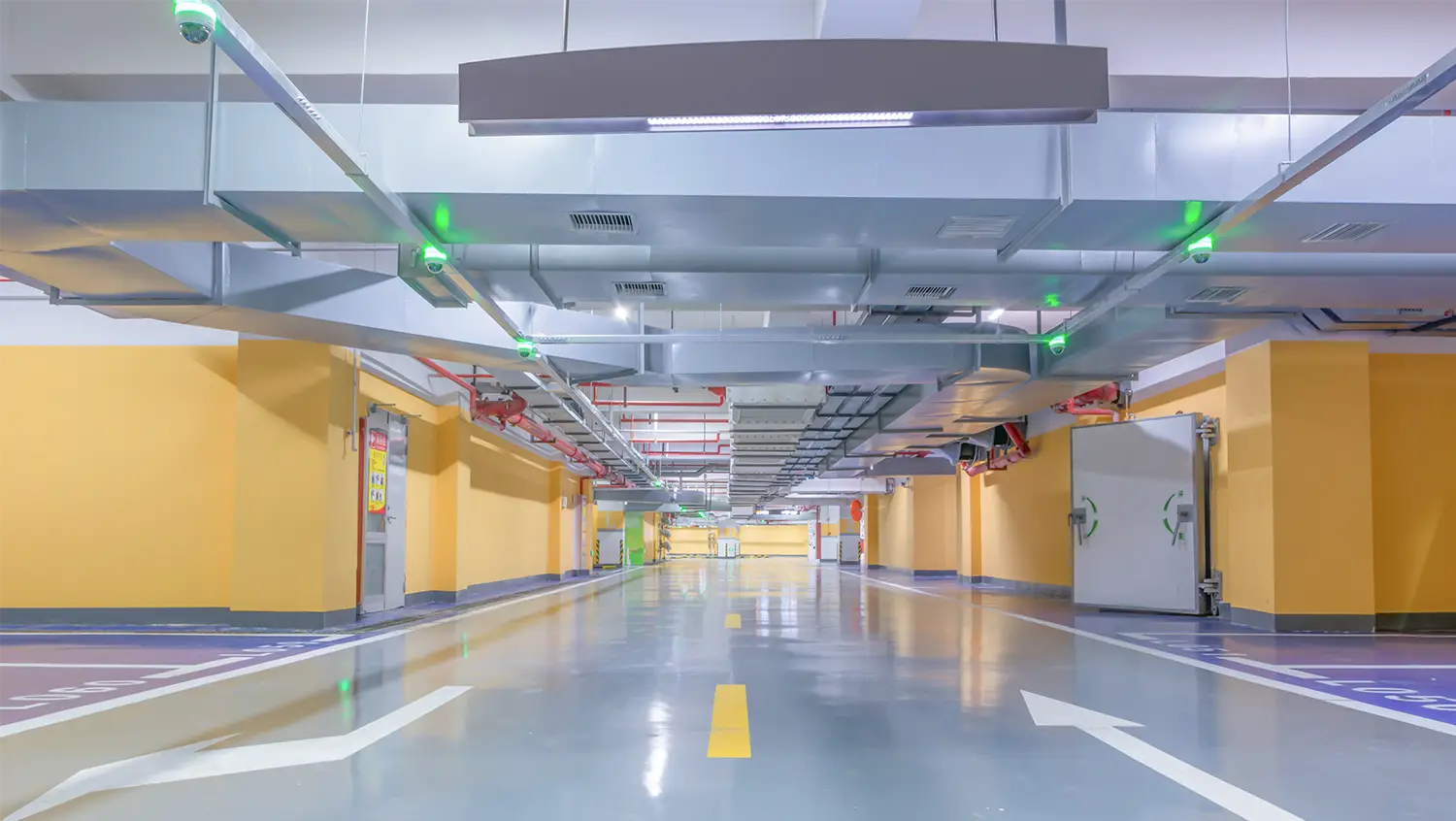
IoT is used to collect and analyse data from sensors, machines and technical installations. The data makes it possible to monitor operations in real time and react quickly to deviations.
In industry, IoT is used for energy management, production optimisation, climate monitoring and remote control of systems.
By analysing data, companies can reduce energy consumption, optimise resource utilisation and prevent breakdowns through predictive maintenance.
One of the biggest benefits of IoT is the ability to reduce energy consumption and optimise resource use. By monitoring consumption and load in real-time, organisations can identify inefficient processes and improve operations - both financially and environmentally
IoT works by connecting physical devices to the internet so they can collect, send and receive data automatically.
A typical IoT system consists of four key parts:
Sensor or device
A physical device measures temperature, vibration, power consumption or other parameters.
Network connection
Data is sent via mobile networks, NB-IoT, LTE-M or WiFi.
Cloud platform
Data is stored and analysed in a central platform.
User interface
The user accesses data via dashboard, app or alarm system.
When the device detects a change, data is automatically sent to the platform where the system can react - for example, by sending an alarm or activating a relay output.
Many industrial IoT solutions utilise NB-IoT or LTE-M as these technologies are stable, energy efficient and suitable for installations with limited signal.
IoT (Internet of Things) broadly refers to devices that connect to the internet to collect and share data.
IIoT (Industrial Internet of Things) is the industrial version of IoT and is used in professional environments such as manufacturing, energy, utilities and agriculture.
| IoT | IIoT |
|---|---|
| Consumer units | Industrial installations |
| Smart home and wearables | Production and machine control |
| Comfort and convenience | Reliability and efficiency |
| Often WiFi-based | Often NB-IoT or mobile networks |
IIoT places higher demands on stability, data security and uptime as the solutions are often part of critical installations. Therefore, robust devices and secure network connections are used.
IIoT is used in energy management, pumping systems, ventilation systems, production lines and technical installations where monitoring and remote control are crucial
IoT is widely used in industry today to monitor, control and optimise technical installations. Here are some typical examples of how IoT and IIoT are used in practice:
IoT is used to monitor energy consumption in real-time and identify unnecessary consumption. Businesses can optimise load, reduce peak consumption and document energy data.
Sensors measure vibration, temperature and runtime on machines. Data is analysed to detect deviations and plan maintenance before failures occur
IoT systems regulate temperature, humidity and ventilation in warehouses, greenhouses and production halls to ensure optimal conditions.
Installations can be monitored and controlled remotely via mobile networks. Alarms are sent automatically in case of faults or critical events.
Several Danish companies are now using IIoT solutions to optimise operations and reduce costs. The technology is particularly widespread in energy, agriculture, buildings and technical installations.
IoT and IIoT enable organisations to work more data-driven. By collecting and analysing real-time data, operations can be optimised, costs reduced and decisions made on a more informed basis.
By monitoring energy consumption, load and performance, organisations can identify inefficient operations and reduce unnecessary costs.
IoT enables predictive maintenance, where potential faults are detected before they develop into critical breakdowns.
Real-time data gives management a clear overview of production, installations and resource consumption.
Remote monitoring and control makes it possible to react quickly without physical presence.
IoT systems can store and document operational data, which is important in regulated industries.
At GSMCloud, we provide industrial IoT solutions for monitoring, control and data logging.
Our systems are used in technical installations, energy management, utilities and production environments where stability and reliability are crucial.
The solutions are designed for professional use with a focus on robust hardware, secure connections and flexible integration.
IIoT monitors and optimises energy consumption in real-time, reducing waste and costs
Sensors and data analytics ensure efficient operation, reduce errors and improve output
IIoT regulates temperature, humidity and air quality to optimise working conditions and sustainability
Machines and systems can be monitored and controlled remotely, increasing flexibility and safety
See our range of industrial IoT devices designed for monitoring, control and data logging.